
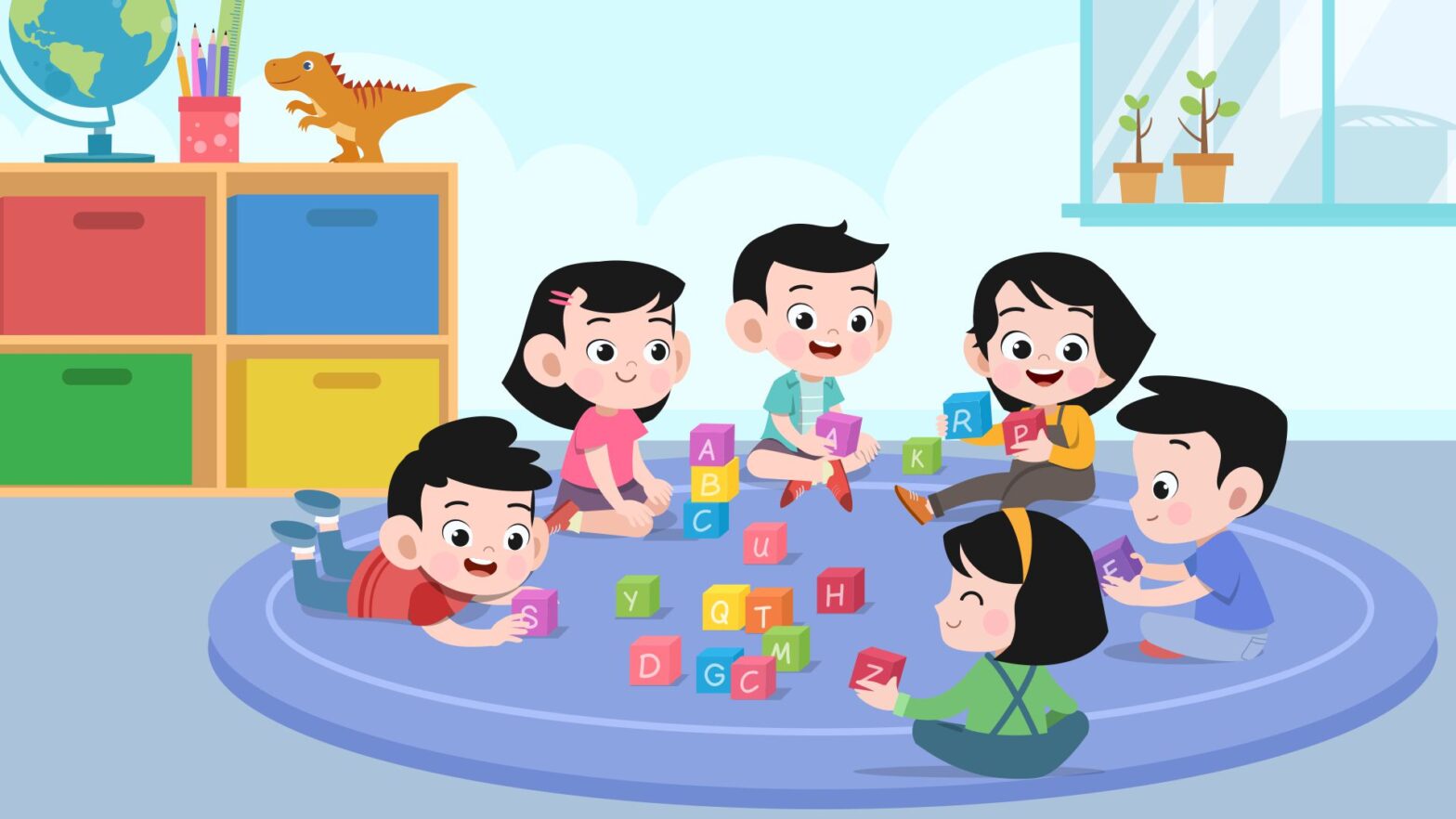
When it’s time for your kids to start learning, the first thing that comes to mind is a play school in modern society. This is in contrast to the traditional system where kids would learn at home and start going to school from their first standard mostly.
As teaching techniques evolved over the years, play-based learning started becoming the norm. Thus, the play school system.
This system incorporates the main element of fun, which simplifies the learning process. Play makes it easy for kids to assimilate learning with ease. You will find variations in the way play-based learning occurs across various regions, as in Indian and international play schools.
Play-based learning appeals to a kid’s natural curiosity and the tendency to engage in experiences based on their interests. It incorporates some important elements such as fun, self-guided learning with adult supervision, journey-based learning without any worries about the end goal and unhindered self-exploration. These elements provide direction to the learning process.
Play-based learning will benefit your kid in the following ways –
As a part of developing their emotional skills, kids learn empathy, tolerance and regulation of emotions in a healthy way. This is also referred to as play therapy.
They may also engage in storytelling, goal-sharing or negotiation. Adults can encourage their kids by conversing with them, telling them new words and asking questions.
Hence, a play-based learning environment has a profound impact on the kids’ faculties. It prepares them for their future life, including studies, careers and relationships. Kids grow up to be human beings who can create a better tomorrow.
If you’re looking for an excellent play-based learning environment for your tiny-tot, you’re at the perfect place. JGS has the best international play school in Hyderabad. Please contact us to know details.